Introduction to Microplastic Pollution
Microplastic pollution is a rapidly escalating environmental challenge that requires immediate and collective action. These tiny plastic particles, usually less than 5mm in size, are polluting oceans, rivers, and even the air we breathe. To effectively combat this growing issue, collaborative approaches are essential. This article delves into various strategies to reduce microplastic pollution, emphasizing the importance of cross-sector cooperation.

Understanding Microplastic Sources
Before tackling the problem, it's crucial to understand the sources of microplastics. They originate from a variety of places, including:
- Personal care products like facial scrubs and toothpaste.
- Textile fibers from synthetic clothing.
- Breakdown of larger plastic debris.
- Industrial processes.
Addressing these varied sources requires a multifaceted and collaborative approach.
The Importance of Collaborative Efforts
Collaborative approaches involve partnerships between governments, businesses, non-governmental organizations, and individuals. These stakeholder collaborations are crucial for developing comprehensive strategies that can tackle microplastic pollution at every level.
Governmental Initiatives and Policy Making
Governments play a pivotal role in regulating plastic use and promoting sustainable practices. Key initiatives can include:
- Legislation restricting single-use plastics and encouraging biodegradable alternatives.
- Funding for research into microplastic pollution and its impacts.
- International agreements aimed at setting global standards.
Governments must also facilitate international cooperation, as microplastic pollution is a transboundary issue that requires a global response.
Corporate Responsibility and Innovation
Businesses have the power to drive change through innovation and sustainable practices. Here are some ways companies can contribute:
- Investing in research and development of sustainable materials that degrade more effectively.
- Adopting closed-loop systems to minimize waste.
- Implementing corporate social responsibility measures aimed at reducing their environmental footprint.
By embracing eco-friendly practices, companies not only help reduce microplastic pollution but also gain consumer trust and loyalty.
Role of Non-Governmental Organizations (NGOs)
NGOs are critical in advocating for change and raising public awareness. They can:
- Conduct campaigns to educate the public on the dangers of microplastics.
- Urge policymakers and corporations to adopt stricter environmental standards.
- Facilitate citizen science projects that collect data on microplastic pollution.
Through advocacy and education, NGOs help ensure that microplastic reduction remains a priority worldwide.
Individual Actions and Community Involvement
Individuals also play a vital role in reducing the influx of microplastics. Community efforts can include:
- Organizing local clean-up events to remove plastic waste before it breaks down into microplastics.
- Educating peers and neighbors about the impact of microplastics.
- Adopting a sustainable lifestyle by reducing plastic usage.
By taking small, everyday actions, individuals contribute to a broader, collective impact on reducing microplastic pollution.
Technological Innovations in Microplastic Reduction
Technology plays a crucial role in tackling microplastic pollution. Innovative solutions include:
Advanced Filtration Systems
New filtration technologies can effectively capture microplastics from wastewater and industrial effluents before they enter waterways. These systems can be installed at key points such as:
- Wastewater treatment plants.
- Industrial discharge outlets.
- Residential areas where synthetic clothing is washed.
Implementing advanced filtration systems can significantly reduce the amount of microplastics entering aquatic ecosystems.
Biodegradable Alternatives
R&D into biodegradable plastics has shown promising results. These alternatives break down more quickly and safely than conventional plastics, reducing the risk of microplastic pollution. As technology progresses, these materials will become more accessible and economically viable.
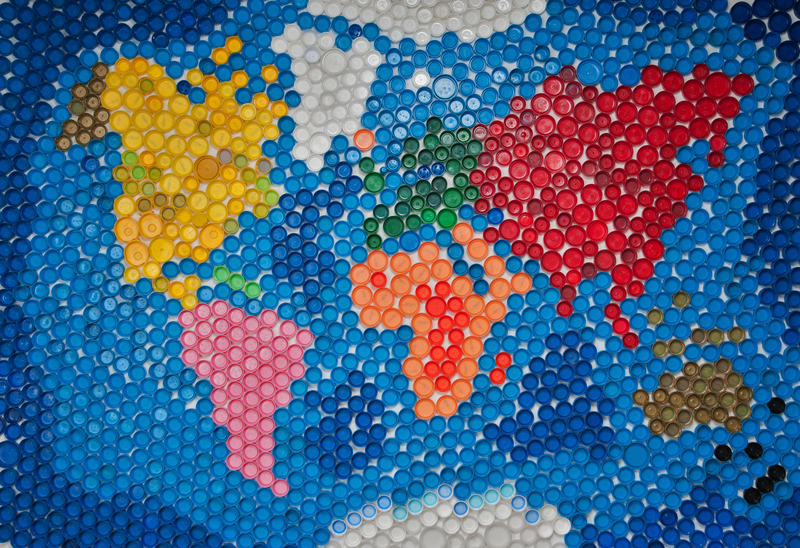
Global Cooperation: A Necessity
Microplastic pollution knows no borders. Thus, it's vital for nations worldwide to engage in cooperative efforts to devise and implement effective solutions. Global initiatives might include:
- International agreements and treaties focused on reducing plastic waste.
- Collaborative research projects aimed at identifying best practices.
- Shared funding for technological innovations and conservation efforts.
By working together, countries can create synergistic effects that significantly curb microplastic pollution globally.
Conclusion
Microplastic pollution is a pressing environmental issue that demands immediate and coordinated action. Collaborative approaches encompassing government regulation, corporate innovation, NGO advocacy, and individual responsibility are essential to forming a comprehensive solution. Through these joint efforts, it is possible to not only reduce microplastic pollution but also set a precedent for tackling other environmental challenges. With a dedicated and united front, we can protect our planet for future generations.
By embracing these collaborative strategies, we open the door to a healthier environment and a more sustainable future, ultimately ensuring that the beauty and diversity of our natural world are preserved for all.