Redefine Office Efficiency with Cutting-Edge Recycling
Redefine Office Efficiency with Cutting-Edge Recycling
Workplace sustainability is no longer just a buzzword—it’s a core pillar intertwining productivity, brand reputation, and cost-effectiveness. Forward-thinking companies are turning their eyes to innovative recycling solutions that not only save the planet but redefine office efficiency as well.
The Need for Sustainable Practices in the Modern Office
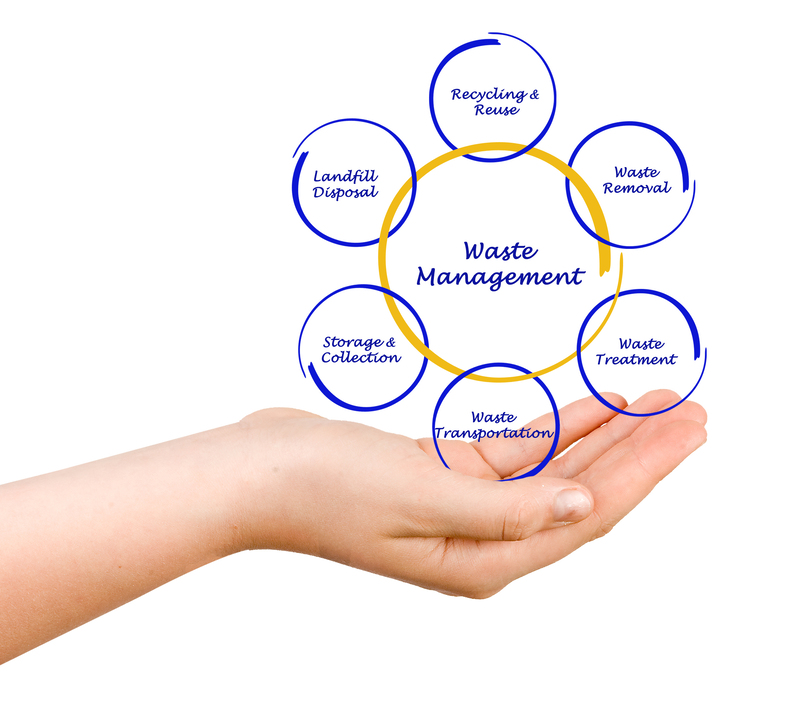
As businesses increasingly adopt remote work and digital technologies, one traditional concern remains: office waste management. According to the Environmental Protection Agency, the average office worker generates approximately 2 pounds of paper and paper products every day—a staggering statistic when extrapolated across all office spaces globally. This, paired with waste from electronics, plastics, and packaging, highlights a pressing need to innovate how offices manage and recycle their waste streams.
Why Cutting-Edge Recycling is Key to Office Efficiency
- Operational Streamlining: Automated and smart recycling can significantly reduce manual labor, freeing employees to focus on value-driven tasks.
- Cost Savings: Efficient resource management and waste diversion can reduce disposal costs and even generate income from valuables like e-waste or recyclable metals.
- Corporate Image: Documented sustainable practices improve brand reputation, attract eco-conscious clients, and retain top talent.
- Compliance: As regulations tighten, advanced recycling protocols ensure ongoing compliance and minimize the risk of fines.
Emerging Trends in Office Recycling Technologies
From smart bins to AI-driven waste sorting systems, technological advancements are transforming how offices recycle and manage resources. Here are some of the most exciting trends reshaping today’s eco-friendly workplace:
1. Smart Waste Collection Systems
Internet of Things (IoT) enabled bins are redefining collection efficiency by:
- Monitoring fill levels and notifying custodial staff when collection is necessary
- Segregating materials in real time via intelligent sensors
- Reducing unnecessary pickups and optimizing labor schedules
Smart waste collection can result in reduced energy consumption and lower operational costs, turning waste management into a data-driven science.
2. Artificial Intelligence in Waste Sorting
AI-powered sorting machines can accurately identify and classify recyclables from general waste, ensuring:
- Minimal contamination (increasing the quality and value of recycled materials)
- Faster sorting, which directly enhances overall office efficiency
- Real-time reporting for waste analytics and policy development
Machine learning continues to evolve, allowing companies to adapt quickly to regulatory changes and optimize recycling streams, contributing to a greener, smarter workplace.
3. Closed-Loop Recycling Initiatives
A closed-loop system ensures that materials collected for recycling are repurposed into new products for internal use. Examples include:
- Turning recycled office paper into notepads or tissue supplies
- Utilizing shredded materials for packaging or shipping needs
- Repurposing e-waste internally for refurbished IT equipment
Closed-loop models build a circular economy within the office, reducing supply costs and dependency on external vendors while cutting down carbon emissions.
4. Gamification and Employee Engagement Platforms
Modern recycling programs use gamification to encourage participation and healthy competition:
- Real-time leaderboards for teams or departments
- Rewards for top recyclers
- Instant feedback via mobile apps on recycling habits
These systems don’t just improve recycling rates—they foster a culture of sustainability and accountability, integral to broader office efficiency.
Practical Strategies for Implementing Advanced Recycling in Offices
The move towards cutting-edge office recycling isn’t just about technology—it’s about integrating new practices and mindsets into the fabric of daily operations. Here’s how to make the shift seamless and impactful:
Conduct an Office Waste Audit
Start by understanding the current state of your office waste streams. Identify major sources of recyclable, compostable, and landfill-bound materials. A comprehensive audit provides the data needed to tailor advanced recycling programs and set measurable goals.
Pinpoint Key Areas to Boost Office Efficiency
Once you understand what’s being discarded, you can focus on the most wasteful or inefficient areas. These often include:
- Paper and print stations
- Kitchen and break areas
- IT and electronics hubs
Introducing targeted recycling solutions in these hotspots yields quick wins and boosts momentum throughout the office.
Integrate Smart Recycling Stations
Deploy IoT-connected waste bins and AI-assisted sorting systems to major foot-traffic zones. These smart solutions can educate users in real time, ensuring items are deposited in the correct streams, minimizing contamination, and increasing recycling rates.
Digitize Reporting and Analytics
Modern recycling management software allows facilities teams to track:
- Waste volumes by category and location
- Trends in recycling rates over time
- Areas needing improvement or additional resources
This data is invaluable for continuous process optimization and for demonstrating tangible sustainability gains to stakeholders and clients.
Inspire and Educate Employees
Efficiency in office recycling is only as strong as employee buy-in. Launch regular workshops, post visible signage with updated guidelines, and offer incentives that reward consistent, correct recycling behavior.
Establish E-Waste and Special Materials Protocols
Electronic waste (e-waste) requires particular attention due to its hazardous components and complex recycling requirements. Set up secure and streamlined collection points for items like batteries, cables, and outdated electronics. Partner with certified recyclers to ensure responsible processing.
Benefits of Forward-Thinking Office Recycling Programs
The shift to advanced recycling does more than reduce environmental impact. It creates substantial organizational advantages, including:
- Cost Reduction: Streamlined waste diversion decreases landfill fees and can unlock rebates or revenue from recyclable commodities.
- Space Optimization: Automated systems and efficient waste sorting free up valuable office real estate.
- Regulatory Compliance: Proactive management ensures full compliance with emerging environmental standards, reducing legal and reputational risk.
- Employee Productivity: Offering advanced recycling options signals care for employee wellbeing and environmental values, boosting morale and retention.
- Brand Differentiation: Demonstrable sustainability practices are increasingly a deciding factor in client RFPs and public perception.
Case Studies: Office Efficiency Enhanced through Cutting-Edge Recycling
Many trailblazing companies have already realized remarkable gains through next-gen recycling techniques. Here's how several major players’ experiences can inspire your office sustainability journey:
Tech Innovators: Automated Sorting and Material Recovery
A leading software firm introduced AI-driven waste sorting robots to their main campus. Within a year, recycling rates jumped from 45% to over 80%, and contamination of recycling streams fell by 60%. Employees praised the clear feedback mechanisms and enjoyed competing for “Green Star Team” status.
Finance Sector: Closed-Loop Paper Transformation
An international bank set up a closed-loop paper system, turning all shredded documents into office notepads and tissues. This not only reduced annual office supply expenses by 18% but also cut down greenhouse emissions from transportation by 25%.
Marketing Agency: Gamification for Behavior Change
Through a dedicated recycling app and monthly challenges, a creative agency motivated teams to recycle more diligently. Participation rates in sustainability programs increased by 73%, fostering a sense of pride and shared mission among staff.
Future-Proofing Office Operations with Sustainable Strategies
The integration of advanced recycling practices promises ripple effects that future-proof your office against environmental, regulatory, and business changes. Companies embracing new technologies and employee-centered programs will continue to enjoy:
- Agile operations that keep pace with changing regulations and market demands
- Lower operational risks and costs associated with waste and resource management
- Enhanced stakeholder trust and improved access to impact-driven investment
- Positive contributions to the global circular economy
Conclusion: Take the Leap to Superior Efficiency with Smart Office Recycling
Redefining office efficiency with cutting-edge recycling isn’t a far-off dream—it’s an actionable strategy that can begin today. From AI-powered sorting stations to employee engagement apps and transparent data dashboards, every advancement empowers your workplace to do more with less. The result? A vibrant, sustainable, and competitive modern office that stands out for both its productivity and its responsibility to the world.
Ready to transform your office? Start by exploring innovative recycling technologies and fostering a culture of eco-efficiency. Your workforce, your stakeholders, and the environment will thank you.
Frequently Asked Questions
- What is the first step in creating an efficient office recycling program?
Begin with a waste audit to understand your unique waste streams and identify the best-fit recycling innovations for your workplace. - How can technology boost recycling in offices?
Technologies like IoT smart bins and AI-powered sorting optimize resource management, reduce costs, and improve compliance. - What role does employee engagement play?
A highly engaged workforce recycles more and supports sustainability initiatives, often driven by education, feedback, and gamification. - Can recycling truly impact office efficiency?
Absolutely—advanced recycling streamlines operations, cuts costs, and builds a sustainable culture, all of which fuel greater overall efficiency.
Invest in cutting-edge recycling to redefine your office efficiency today and set the gold standard for a better, greener tomorrow.