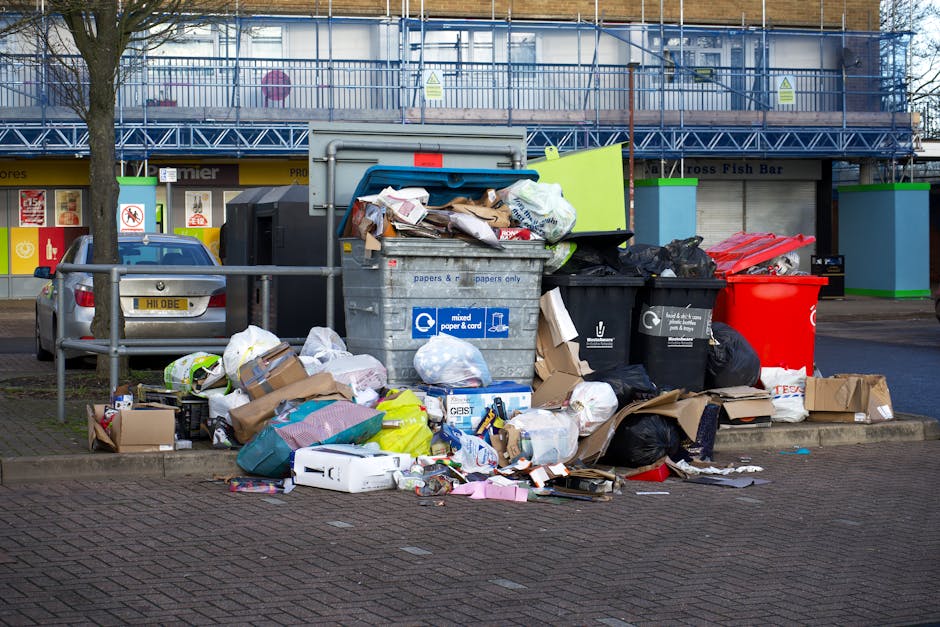
Sydenham rubbish clearance guide for SE26 homes

If you live in SE26, rubbish has a way of building up quietly. One bag becomes three, then a spare chair appears in the hallway, and suddenly the shed looks like a scene from a very stubborn spring clean. This Sydenham rubbish clearance guide for SE26 homes is here to make the whole process feel simpler, safer, and far less annoying than it first looks.
Whether you are clearing a flat near Sydenham Station, sorting a family home after years of clutter, or shifting builders' debris from a renovation, the right clearance approach can save time, reduce stress, and stop you making the classic mistake of underestimating how much stuff is actually there. Let's face it, that old wardrobe is always heavier than it looks.
This guide walks through how rubbish clearance works in practice, what to expect, which options suit different homes, and how to avoid the common traps. It also covers sensible compliance points, practical preparation, and a few local-minded tips that make the job smoother from start to finish.
Why Sydenham rubbish clearance guide for SE26 homes Matters
Rubbish clearance sounds straightforward until you are standing in a Victorian hallway with no lift, a broken cupboard, and a pile of mixed waste that includes wood, metal, fabric, and a mysterious bag you have not opened in years. In SE26, homes vary a lot: terrace houses with narrow access, maisonettes with shared stairs, compact flats, loft rooms, and gardens that suddenly become storage spaces. That mix means one-size-fits-all advice rarely helps.
What matters most is choosing a clearance approach that fits the property, the amount of waste, and the type of items involved. A small domestic tidy-up is very different from a full house clearance after a move, bereavement, or renovation. And because rubbish often includes materials that need careful handling, it pays to think beyond just "getting rid of it".
A good clearance plan helps you:
- save time on sorting and transporting waste
- reduce the risk of injury or damage in tight spaces
- avoid fly-tipping or unreliable disposal arrangements
- keep recyclable materials separate where possible
- choose the right service for the job instead of paying for the wrong one
There is also a peace-of-mind element that people often forget. Once clutter is gone, the house feels different. You notice the room again. Light comes in. The whole place breathes a bit better.
How Sydenham rubbish clearance guide for SE26 homes Works
In practical terms, rubbish clearance usually starts with identifying what needs removing, deciding whether it is general waste, reusable items, bulky furniture, garden cuttings, builders' rubble, or a mixture of all four, and then organising collection and disposal accordingly. That sounds obvious, but it is where many jobs go sideways.
For SE26 homes, the process typically follows a simple pattern:
- Assess the waste. Look at volume, type, access, and whether any items need special handling.
- Separate obvious categories. For example, furniture, green waste, DIY debris, and general household clutter.
- Check access. Narrow stairwells, parking restrictions, shared entrances, and basement steps can affect how the job is done.
- Arrange the right clearance method. For some homes, a full clearance is needed; for others, targeted removal is enough.
- Load and remove safely. Heavy lifting should be done carefully, especially with glass, appliances, or awkward furniture.
- Dispose of items responsibly. Reuse, recycling, and lawful waste handling should come before landfill wherever possible.
That is the broad shape of it. The detail, of course, depends on the property. A flat clearance can be very different from a garage tidy-out or loft clear. If you are dealing with larger loads or mixed contents, a broader waste removal service may be more suitable than trying to cobble together several separate solutions.
And if the job is part of a bigger move, refurbishment, or inherited property clean-up, many homeowners prefer a fuller home clearance or house clearance so the work is done in one go rather than in frustrating stages.
Key Benefits and Practical Advantages
The real benefit of proper rubbish clearance is not just an empty room. It is the removal of friction. You get back usable space, reduce clutter-related stress, and make the house easier to clean, sell, rent, or renovate. That matters a lot in SE26, where homes often have limited storage and every square metre counts.
Here are the most practical advantages:
- Faster turnaround. A professional or well-planned clearance can clear in hours what might take you several weekends.
- Less physical strain. Heavy lifting, bending, and stair carrying are where things go wrong. One awkward sofa can ruin your back for a week. Not ideal.
- More predictable disposal. You know where the waste is going and how it is being handled.
- Better recycling potential. Mixed waste is easier to sort correctly when the clearance is planned properly.
- Cleaner property presentation. Helpful if you are preparing for sale, letting, or builders coming in next.
There is also a subtle but important point: good clearance protects the rest of the home. Hallways stay less scuffed, doors stay intact, and you are less likely to damage floors while dragging things about in a rush. Truth be told, the last 10% of a clearance is often where people cause the most chaos.
For bulky items, worn-out furniture, or mixed household contents, specialist services like furniture clearance and furniture disposal can be especially useful, because they address the awkward, heavy stuff that people tend to leave until last.
Who This Is For and When It Makes Sense
This guide is for anyone in SE26 who needs rubbish removed from a home, but the situations vary quite a bit. Some people are doing a light clear-out before redecorating. Others are facing a full property clearance after a long tenancy, a family move, or years of accumulation. Different jobs, different levels of urgency.
It makes sense to plan a rubbish clearance if you are:
- moving house and do not want to transport unwanted items
- renovating and need builders' waste removed
- clearing a loft, garage, or spare room
- managing a rented property between occupiers
- sorting a property after a bereavement
- emptying a flat with limited access or no lift
- making a garden usable again after months of neglect
Not every job needs the same approach. A cluttered loft may be best handled by loft clearance, while a messy outside space may call for garden clearance. A garage packed with old paint tins, broken tools, and half-used bags of compost is its own little world, so garage clearance often makes more sense than a general tidy-up.
If you are unsure where the job sits, a practical question helps: am I clearing a room, or am I clearing an entire category of waste? That one question usually points you in the right direction.
Step-by-Step Guidance
If you want the process to go smoothly, a little preparation goes a long way. Here is the most sensible way to tackle rubbish clearance in a Sydenham home, especially if you want to avoid the frantic "where did all this come from?" moment on collection day.
1. Walk through the property slowly
Start with a proper visual sweep. Open cupboards, check behind doors, and look in loft corners, under stairs, and in the back of the garage. A quick glance can miss a lot. You will almost always find more than expected.
2. Group items by type
Separate furniture, general household waste, green waste, DIY debris, and anything that may need special handling. This makes the job faster and helps avoid mixing materials that could be recycled or reused.
3. Decide what stays and what goes
This is the step people delay because, honestly, it can be emotionally sticky. Old books, a childhood desk, a chipped side table that "might come in handy" one day - yes, the one day that never arrives. Be ruthless where you can, kind where you should.
4. Check access and timing
Think about parking, stair access, lift availability, neighbours, and whether bulky items need to come out at a quiet time. If access is tight, extra planning matters more than speed.
5. Choose the right service type
A mixed household clear-out may need a broader house clearance. If the job is a smaller domestic job, a more focused service may do the trick. If there is office equipment involved, even from a home workspace, office clearance may be relevant for the desks, filing, and hardware.
6. Ask about disposal and recycling
It is fair to ask where items will end up. Reputable clearance work should prioritise reuse and recycling where sensible, not just speed.
7. Confirm the final scope before work starts
Make sure everyone understands what is included. "Everything in the shed" means one thing to you and another thing to someone else if you are not clear. Better to be slightly boring up front than annoyed later.
Expert Tips for Better Results
A few small choices can make a big difference. These are the things that tend to improve the outcome without adding much effort.
- Photograph the space before and after. Useful for your own record, especially during move-outs or property handovers.
- Keep hazardous or unknown items separate. Do not mix them into a general load and hope for the best.
- Leave walkways clear. This saves time and reduces damage during removal.
- Break down light items where possible. Flat-pack wood, cardboard, and soft furnishings are easier to move when reduced in size.
- Prepare a "keep" area. It sounds trivial, but a marked box or room for items you are unsure about saves arguments with yourself later.
One good habit we always recommend is to do the decision-making first and the lifting second. Sounds obvious, but many people start moving bags before they have sorted the categories. Then they are halfway down the stairs, sweating, and wondering whether the old printer should go with recycling or general waste. Not the best use of a Saturday.
If your job involves fresh renovation debris, a dedicated builders waste clearance approach is often better than mixing rubble with household clutter. It keeps the process cleaner and easier to manage.
Common Mistakes to Avoid
There are a few classic mistakes that show up again and again. Most are easy to avoid once you know what to look for.
- Underestimating the volume. One room can produce far more waste than expected, especially when wardrobes, broken storage, and old bags are involved.
- Ignoring access issues. A job that looks small on paper can be complicated by stairs, parked cars, or narrow entrances.
- Mixing everything together. This makes recycling harder and can slow the whole job down.
- Leaving decision-making until collection day. That creates stress and wastes time.
- Assuming every item can be handled the same way. Some items need special care or may need separate processing.
- Choosing purely on speed. Fast is good. Careless is not.
There is also a trust issue. If a clearance operator is vague about disposal, waste handling, or insurance, pause. Ask questions. Good operators do not mind. In fact, they should welcome it.
Tools, Resources and Recommendations
You do not need a warehouse full of kit to organise a domestic clearance, but a few simple tools make life easier. A sensible setup usually includes sturdy gloves, bin liners or rubble sacks, strong tape, a marker pen, a dolly or sack truck for heavy items, and basic cleaning supplies for the final tidy-up.
For homeowners, the most useful "resource" is often a written room-by-room plan. It can be as simple as:
- what stays
- what goes
- what needs recycling
- what may need extra handling
- what should be removed first because it blocks access
If the property is cluttered, start with the easiest visible areas. A cleared hallway or landing can transform how manageable the rest feels. Small win, but a real one.
When you are comparing service options, useful pages to review include pricing and quotes, recycling and sustainability, and insurance and safety. Together, they give you a better picture of how the service is structured, what standards are followed, and what expectations are reasonable.
And for broader reassurance about the company itself, the about us page is worth a look. It helps you understand who is behind the service and how they describe their approach. That kind of context matters more than people sometimes admit.
Law, Compliance, Standards, or Best Practice
For rubbish clearance in the UK, the big thing is simple: waste should be handled responsibly and not dumped, burned, or passed on casually. Homeowners do not need to become legal experts, but they should use services that take duty of care seriously. In plain English, that means the waste should go to proper disposal or recovery routes, not some questionable shortcut that creates a problem later.
Best practice usually includes:
- clear description of what is being removed
- careful handling of items that may be hazardous, bulky, or fragile
- use of appropriate transport and loading methods
- separation of recyclable materials where possible
- transparent communication about how the waste is managed
It is also sensible to be careful with items that could contain confidential information, especially old paperwork, storage media, or office equipment. If your home office has become a mini archive, a dedicated clearance approach is more sensible than a general sweep.
For those situations, a tailored business waste removal or office clearance route may be appropriate, even if the items are in a domestic setting.
Good practice is not about overcomplicating things. It is about making sure the removal is safe, lawful, and fair. That is the standard worth aiming for.
Options, Methods, or Comparison Table
Different homes need different clearance methods. The best option depends on volume, access, item type, and how quickly you need the space back. Here is a simple comparison to help you think it through.
| Method | Best for | Strengths | Limitations |
|---|---|---|---|
| DIY clearance | Very small loads and light items | Can be cheap if you already have transport | Time-consuming, physically demanding, harder to dispose of properly |
| Bulky-item removal | Sofas, wardrobes, single large items | Quick for one-off pieces | Not ideal for mixed household waste |
| Room-by-room clearance | Lofts, garages, spare rooms | Targeted and efficient | May need multiple trips if the load is larger than expected |
| Full house clearance | Moves, bereavement, probate, long-term clutter | Most comprehensive option | Needs more planning and usually a clearer scope |
| Specialist waste removal | Builders' debris, mixed renovation waste | Handles awkward material types well | Less suitable for reusable household contents |
For many SE26 homes, the answer is not one method forever. It is often a blend. A loft clear, a furniture removal, and a small waste collection can be more practical than forcing everything into a single category.
Case Study or Real-World Example
Here is a typical SE26 scenario. A homeowner in a two-storey terrace in Sydenham has just finished a kitchen refresh. The old units are gone, but the utility area now holds broken drawers, packaging, a chipped table, a few bags of mixed debris, and some garden bits that were dragged in during the chaos. The hallway is narrow, the stairs are awkward, and there is very little spare space.
Instead of trying to sort it all in one rush, the homeowner divides the items into three groups: furniture, renovation waste, and general clutter. A quick look around the loft also reveals a couple of unused boxes and an old suitcase that had been forgotten years ago. Happens all the time.
The practical approach here is to clear the mixed waste first so access improves, then deal with the furniture, then do a final sweep of the extra clutter. The result is a cleaner property, less risk of damage, and a far calmer afternoon. Not glamorous, but effective.
That example matters because it shows how clearance is rarely about one single pile. In real homes, waste accumulates in layers. Peel those layers back in the right order and the job feels much more manageable.
Practical Checklist
Use this checklist before you book or begin a Sydenham clearance job. A few minutes of preparation can save a lot of faff later.
- Walk through every room and identify all items to be removed
- Separate furniture, general waste, green waste, and DIY debris
- Check stair access, parking, and any shared entry points
- Decide what must be kept, sold, donated, or recycled
- Look for anything sharp, heavy, fragile, or potentially hazardous
- Set aside paperwork, valuables, and sentimental items early
- Measure large furniture if access is tight
- Choose the most suitable service type for the load
- Ask how items will be disposed of or recycled
- Confirm the schedule and the final scope before work starts
Expert summary: if the space is small, the items are mixed, and access is awkward, the best result usually comes from careful sorting first and fast removal second. That order saves time. Every time.
For clear, practical help with the next step, you can review the service details on flat clearance, home clearance, or garage clearance, depending on the kind of property space you are dealing with.
Get a free quote today and see how much you can save.
Conclusion
A sensible Sydenham rubbish clearance plan is less about brute force and more about clarity. Know what you are removing, how the property is accessed, what needs special attention, and which service type fits best. That simple framework takes a lot of stress out of SE26 home clearances.
If you take one thing from this guide, let it be this: do not start with lifting. Start with sorting. Once the categories are clear, the rest becomes much easier, and usually a lot faster too.
Whether you are clearing a flat, a family house, a garage, or a loft that has quietly become a storage museum, the right approach gives you back space and breathing room. And that feeling, honestly, is hard to beat on a grey London afternoon.
When the clutter is gone, the home feels lighter. That is the real win.
Frequently Asked Questions
What is included in a Sydenham rubbish clearance service for SE26 homes?
It usually includes the collection and removal of household rubbish, bulky items, mixed clutter, and sometimes garden or builders' waste, depending on the service scope. The exact contents should always be confirmed before the job begins.
Is rubbish clearance the same as house clearance?
Not always. Rubbish clearance often focuses on removing waste and unwanted items, while house clearance can be broader and may involve clearing most or all contents of a property. A full property job usually needs more planning.
How do I know whether I need flat clearance or home clearance?
If you live in a flat with limited access, shared stairs, or a smaller load, flat clearance may fit better. For a larger property or a wider mix of rooms, home clearance may be more suitable.
Can mixed waste be cleared in one visit?
Often yes, but it depends on the waste type, access, and volume. Mixed waste is common in homes, especially after decluttering or renovation, though it helps if items are grouped sensibly first.
What should I do with old furniture before a clearance?
Leave it accessible if possible, and separate it from general waste. If the items are bulky or worn out, a furniture clearance or furniture disposal service may be the cleanest option.
Do I need to sort recycling before rubbish is removed?
You do not need to do everything yourself, but basic sorting helps. It can make the clearance smoother and may support better recycling outcomes. At the very least, keep valuables, paperwork, and hazardous items separate.
Is loft or garage waste handled differently?
Yes, often it is. Loft clearances and garage clearances can involve awkward access, dust, old storage, and heavier forgotten items. That is why room-specific planning is useful.
How long does a domestic rubbish clearance take?
It depends on the size of the load, the type of items, and how easy it is to access them. A small clear-out may be quick, while a larger property or mixed-load job can take much longer.
What if my property has narrow stairs or limited parking?
Then access planning becomes a major part of the job. It helps to mention those details early so the right equipment, timing, and staffing can be considered.
Can builders' debris be removed from a home after DIY work?
Yes, provided it is handled as the correct waste type. A builders waste clearance approach is generally better for rubble, timber offcuts, broken plasterboard, and similar materials than a general rubbish job.
How do I choose a reliable clearance provider?
Look for clear communication, sensible pricing, a proper explanation of what is included, and reassurance about insurance, safety, and waste handling. If the answers are vague, that is usually a warning sign.
What is the best first step if I feel overwhelmed by clutter?
Start with one small space, not the whole house. A hallway, landing, or one cupboard is enough. Once you see progress, the rest feels more manageable. Funny how that works, really.
Contact the team if you want to discuss the most suitable clearance option for your SE26 home and get practical advice before you book.